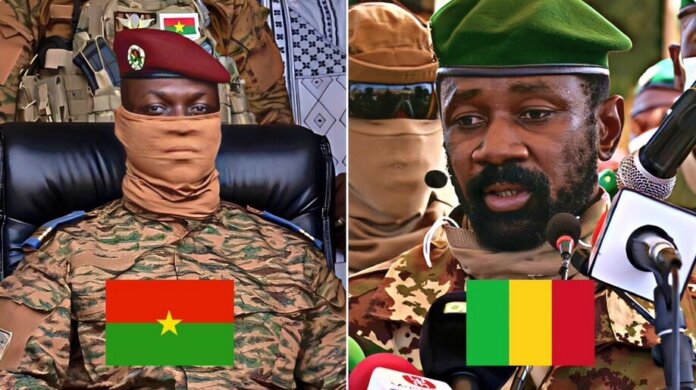
In a rapidly evolving geopolitical landscape, West Africa finds itself facing a critical moment. The specter of war looms over Niger, and Mali and Burkina Faso have made a resolute joint statement, pledging their commitment to defend Niger‘s sovereignty in the face of any potential Western-controlled ECOWAS intervention. As we delve into the complexities of the region, we uncover the broader context of colonial legacies and contemporary influences, reflecting the intertwined histories of these nations.
Table of Contents
Colonial Heritage and Modern-Day Influence
The echoes of colonialism still reverberate across West Africa, shaping its political and economic dynamics. The legacy of European powers carving up the region for resources continues to impact contemporary geopolitics, with external influences casting a long shadow over the nations’ autonomy.
ECOWAS‘ Role in West Africa
The Economic Community of West African States (ECOWAS) plays a vital role in fostering regional cooperation and development. However, criticisms have been raised regarding its susceptibility to external pressures, leading to decisions that may not always align with the region’s best interests.
Tensions and the Threat of ECOWAS Intervention in Niger
As discussions within ECOWAS nations unfold regarding the situation in Niger, Mali and Burkina Faso stand firm in their commitment to protect Niger’s sovereignty. The joint declaration by both nations sends a powerful message to the international community, reflecting their determination to avoid external interference.
Burkina Faso and Mali: A Defiant Stand
Burkina Faso and Mali issued a joint statement warning that any military intervention in Niger aimed at restoring the deposed President Mohamed Bazoum would be viewed as a “declaration of war against Burkina Faso and Mali.” They firmly emphasized their refusal to comply with the “illegal, illegitimate, and inhumane sanctions against the people and authorities of Niger.”
Potential Consequences and Regional Implications
The repercussions of a military intervention in Niger extend far beyond its borders. Mali and Burkina Faso, along with other West African nations, fear the destabilizing impact such a move could have on the entire region. The fragile peace and security in the Sahel region hang in the balance, and regional solidarity is vital to maintain stability.
The Human Side of Geopolitics
Amidst the intricacies of geopolitics, it is crucial to recognize the human element. The people of Niger, Mali, Burkina Faso, and neighboring nations are directly affected by these developments. Their resilience and courage in the face of uncertainty underscore the importance of safeguarding peace and unity in the region.
As Mali and Burkina Faso boldly declare their commitment to defend Niger’s sovereignty, the region stands at a critical juncture. The historical context of colonial heritage, coupled with modern-day influences, shapes the unfolding events in West Africa. The united front demonstrated by these nations highlights the significance of regional solidarity and the shared commitment to safeguarding autonomy and peace. The choices made today will determine the region’s future, emphasizing the urgency of a thoughtful and nuanced approach to addressing the crisis in Niger.