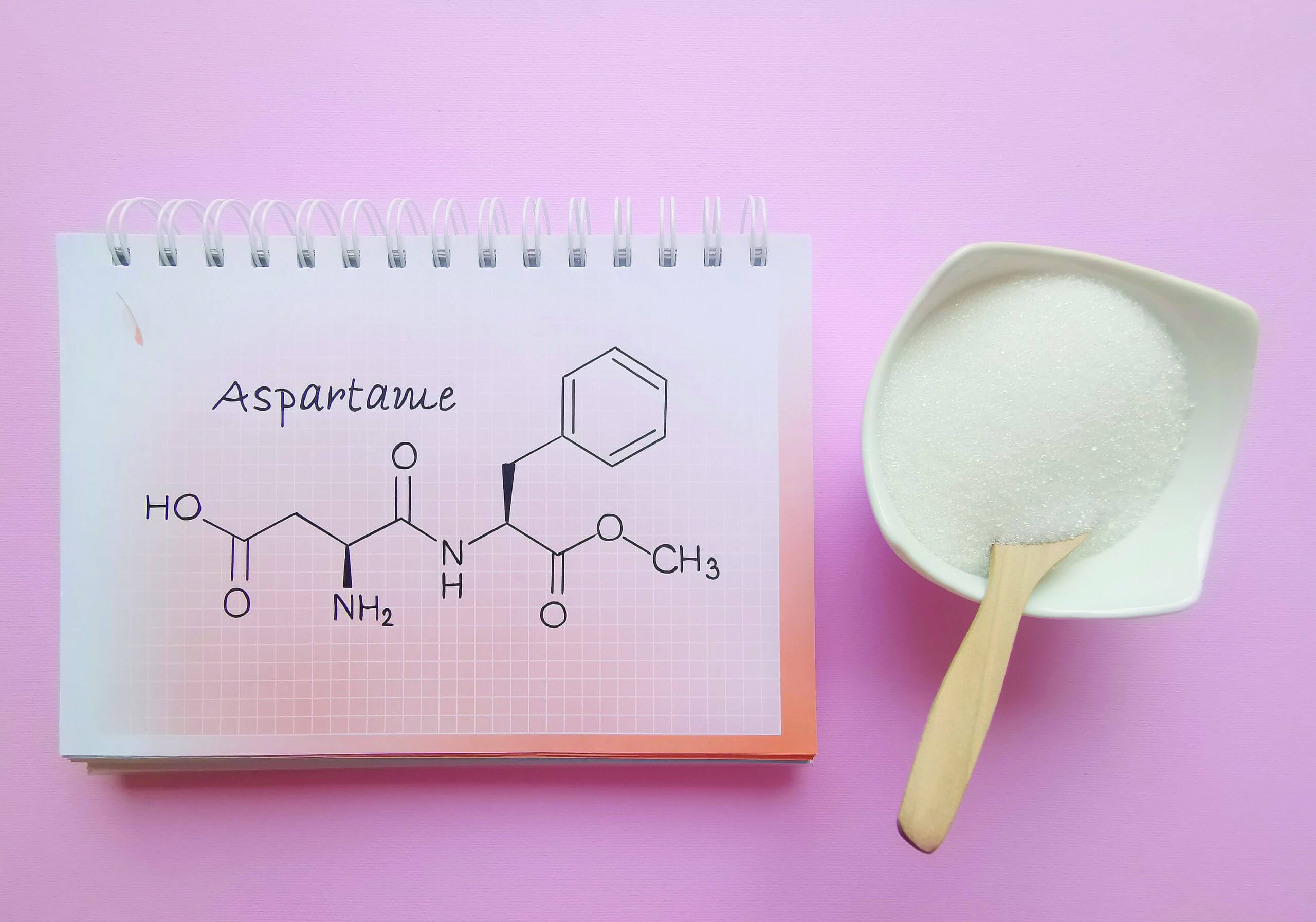
In a groundbreaking development, the latest results of the comprehensive aspartame hazard and risk assessment have been released, sending ripples of concern throughout the consumer industry. Aspartame, an artificial sweetener commonly used in various food and beverage products, has long been the subject of debate over its safety and potential health implications. With the newly unveiled findings, researchers aim to shed light on the risks associated with this popular sugar substitute, raising questions about its widespread usage in everyday products.
Table of Contents
Unveiling the Aspartame Hazard and Risk Assessment Study
The recent aspartame hazard and risk assessment study was conducted by a team of experts, collaborating across multiple research institutions and government bodies. The study aimed to comprehensively evaluate the potential health hazards associated with aspartame consumption, particularly concerning its long-term effects on human health. The findings are anticipated to have far-reaching implications for both consumers and the food industry.
Aspartame: A Widely Used Artificial Sweetener
Aspartame, a low-calorie sugar substitute, has gained immense popularity since its introduction in the 1980s. Found in a wide array of food and beverage products, including diet sodas, sugar-free candies, chewing gum, and even some medications, it is often marketed as a healthier alternative to sugar for weight-conscious individuals and diabetics. However, its widespread use has sparked debates over the years, with critics raising concerns about its potential adverse effects.
Understanding the Controversy Surrounding Aspartame
The controversy surrounding aspartame centers on its chemical composition. Upon ingestion, aspartame breaks down into three main components: phenylalanine, aspartic acid, and methanol. Critics argue that the breakdown of methanol into formaldehyde and formic acid in the body can pose health risks, as these substances are known to be toxic in higher concentrations.
Proponents of aspartame, on the other hand, point to numerous scientific studies and regulatory approvals from health authorities such as the U.S. Food and Drug Administration (FDA) and the European Food Safety Authority (EFSA), which have consistently deemed the sweetener safe for consumption within specified limits.
Key Findings of the Aspartame Hazard and Risk Assessment Study
The newly released study presents a detailed analysis of aspartame’s potential hazards and associated risks. While the findings vary across different aspects of health, some of the notable highlights include:
- Neurological Concerns: The study indicates a potential link between high aspartame consumption and certain neurological disorders, including headaches, migraines, and cognitive impairment. Researchers suggest that individuals with a predisposition to these conditions may be more susceptible to aspartame’s neurological effects.
- Metabolic Impact: The assessment reveals that aspartame consumption may influence metabolic processes, particularly glucose regulation. This has implications for individuals with diabetes or those trying to manage their blood sugar levels.
- Carcinogenicity: The study’s data on the carcinogenicity of aspartame remains inconclusive, with some evidence suggesting a possible association with certain cancers. However, further research is needed to establish a definitive link.
- Reproductive and Developmental Effects: Preliminary findings indicate that aspartame may impact reproductive health and fetal development. Pregnant women and those planning to conceive should exercise caution regarding their aspartame intake.
Consumer Awareness and Industry Response
As news of the aspartame hazard and risk assessment results spreads, consumers are becoming increasingly concerned about the potential health risks associated with the sweetener. Many are now reevaluating their dietary choices and opting for natural alternatives to artificial sweeteners.
In response to the growing consumer apprehension, some food and beverage manufacturers are revisiting their product formulations to reduce or eliminate the use of aspartame. This shift in consumer preferences is encouraging companies to explore alternative sweeteners that are perceived as safer and more natural.
Regulatory Implications and Future Research
The release of the aspartame hazard and risk assessment results has drawn attention from regulatory authorities worldwide. While the findings provide valuable insights, they are also raising questions about the adequacy of existing safety regulations surrounding artificial sweeteners.
Health authorities are likely to review the study’s findings and consider whether current guidelines for aspartame consumption need to be revised or updated. Additionally, there is likely to be a call for further research to address any remaining uncertainties and to gain a deeper understanding of the long-term effects of aspartame on human health.
Educating the Public on Aspartame Consumption
In light of the aspartame hazard and risk assessment results, health authorities and consumer advocacy groups are taking proactive measures to educate the public about the potential risks associated with excessive aspartame consumption. Efforts are being made to raise awareness about the presence of aspartame in various food and beverage products, encouraging consumers to read labels and make informed choices.
Educational campaigns are also focusing on vulnerable populations, such as pregnant women, children, and individuals with pre-existing health conditions. Informational resources are being disseminated to healthcare providers to ensure they can guide their patients in making well-informed decisions regarding their diet and sugar substitute intake.
The Role of Industry Transparency
In response to the heightened consumer concerns, industry players are facing increased pressure to be transparent about their use of aspartame and other artificial sweeteners. Companies are being urged to clearly label products containing aspartame, providing consumers with the necessary information to make conscious choices about their dietary preferences.
Moreover, some manufacturers are opting to eliminate aspartame from their formulations altogether. This trend is not only driven by consumer demand but also by a desire to align with emerging market preferences for natural and healthier ingredients. As a result, the landscape of artificial sweeteners in the food and beverage industry is evolving rapidly.
Balancing Health and Consumer Choices
The aspartame hazard and risk assessment results have sparked a broader conversation about the balance between public health considerations and individual consumer choices. While some argue that the potential risks warrant stronger regulatory measures or even an outright ban on aspartame, others emphasize the importance of personal responsibility and freedom of choice.
Health authorities must navigate this complex terrain, weighing scientific evidence against consumer preferences and industry interests. Striking the right balance is crucial to ensure public safety while respecting consumers’ autonomy to make dietary decisions.
The Need for Continued Research
As the scientific community gains a deeper understanding of aspartame and its potential health effects, it becomes evident that more research is necessary. Long-term studies that follow individuals over extended periods are essential to establish conclusive evidence regarding aspartame’s impact on various aspects of health.
Additionally, research should focus on alternative sweeteners, examining their safety and suitability as substitutes for aspartame. Identifying viable and safer options will be crucial for food manufacturers seeking to cater to health-conscious consumers without compromising taste and quality.
Conclusion:
The recent release of the aspartame hazard and risk assessment results has triggered widespread concern among consumers and prompted a reassessment of this artificial sweetener’s safety. As researchers delve deeper into the potential health hazards of aspartame, consumers are advised to stay informed and make conscious choices about their dietary habits. While further research is needed to conclusively determine the extent of aspartame’s impact on health, the study serves as a crucial milestone in addressing the ongoing debate surrounding this widely used sugar substitute.