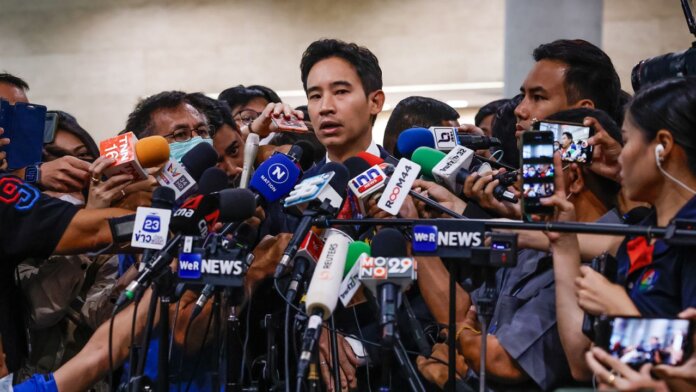
Welcome to the realm of Thailand‘s political landscape, where power struggles, nominations, and decisions reverberate through the heart of the nation. In the latest episode of this captivating political drama, Thailand‘s parliament has made a significant decision that could reshape the country’s leadership. Today, we dive into the intriguing story of Pita Limjaroenrat’s nomination for the Prime Minister position and the parliament’s consequential rejection.
Table of Contents
The Rising Star: Pita Limjaroenrat’s Ascent
As we embark on this journey, it’s essential to introduce the key protagonist, Pita Limjaroenrat. A seasoned politician and leader of the Move Forward Party, Pita Limjaroenrat has been steadily rising through the ranks in Thailand’s political arena. His charisma, determination, and commitment to reform have earned him a considerable following among the Thai electorate.
A Prime Opportunity: The PM Nomination
In the wake of political shifts and governmental changes, Pita Limjaroenrat emerged as a prominent contender for the esteemed role of Prime Minister. The nomination held the promise of propelling him into one of the most influential positions in the country’s governance. However, as we are about to discover, the path to premiership is far from straightforward.
The Parliament’s Decision: A Defining Moment
The day of reckoning arrived as Thailand’s parliament convened to cast their votes on Pita Limjaroenrat’s PM nomination. Tensions ran high as the country held its breath, awaiting the outcome that would determine the future of its leadership.
In a surprising turn of events, the parliament decisively rejected Pita Limjaroenrat’s nomination, sending shockwaves through the nation. The reasons behind this decision are multifaceted, shrouded in political complexities and differing perspectives among the parliamentary members.
Unraveling the Complexities: Political Turmoil in Thailand
To understand the parliament’s decision fully, we must delve into the intricate web of Thailand’s political landscape. Political alliances, party dynamics, and varying ideologies all play a role in shaping the outcome of such crucial votes. As we navigate through this labyrinth, we gain insights into the diverse viewpoints that contributed to the rejection.
The Impact on Leadership: A Nation at a Crossroads
The parliament’s decision holds far-reaching implications for Thailand’s leadership. The rejection of Pita Limjaroenrat’s nomination adds to the prevailing sense of political uncertainty and instability. Questions arise about the country’s ability to form a stable government and effectively address pressing national issues.
Public Sentiments and Reactions
As news of the parliament’s decision spreads across the country, the public’s response is a tapestry of emotions. Supporters of Pita Limjaroenrat express disappointment, while those who opposed his nomination celebrate the outcome as a triumph for their vision of the country’s future. The political landscape is rife with conversations, debates, and a sense of anticipation for what lies ahead.
The Road Ahead: Navigating Thailand’s Political Future
As Thailand navigates its way through this period of political turmoil, the future remains uncertain. The rejection of Pita Limjaroenrat’s nomination opens the door to various possibilities. The parliament will likely engage in further discussions and negotiations to identify a candidate who can garner the required support and consensus to lead the nation.
A Closer Look at Political Alliances and Factions
To truly grasp the significance of the parliament’s decision, we must delve deeper into the world of political alliances and factions in Thailand. The country’s political landscape is marked by a diverse array of parties, each with its own set of principles and priorities. These parties often form coalitions or blocs to bolster their chances of gaining power and influence in the government.
Within the parliament, debates and negotiations between these political blocs play a crucial role in shaping the outcome of important decisions, such as the nomination for the Prime Minister’s position. While some parties may advocate for continuity and stability, others may prioritize transformative reforms and progressive policies. These divergent interests can lead to friction and disagreements, ultimately impacting the fate of potential candidates.
The rejection of Pita Limjaroenrat’s nomination is a reflection of the delicate balance of power within the parliament. It underscores the complexities of forming a coalition that can secure the necessary votes to propel a candidate to the coveted Prime Minister’s role. As we observe the dynamics at play, we gain insights into the intricacies of Thai politics and the importance of forging alliances that align with shared goals.
Public Perception and Trust in Democracy
As the dust settles after the parliament’s decision, questions about public perception and trust in the democratic process inevitably arise. In any democratic society, the decisions made by elected representatives are meant to reflect the will and aspirations of the people they serve.
The rejection of a Prime Ministerial nominee raises concerns about the level of confidence the public places in their elected officials. Some may question the transparency of the decision-making process, while others may wonder whether political considerations outweigh the interests of the nation.
In such pivotal moments, it becomes imperative for political leaders to engage in open and honest communication with the public. Transparency and accountability can go a long way in restoring faith in the democratic system and ensuring that the decisions made by the parliament are truly representative of the people’s voices.
The Role of Media and Civil Society
The media and civil society also play a significant role in shaping the narrative surrounding political developments in Thailand. Journalists and media outlets are tasked with providing accurate and unbiased reporting, helping citizens stay informed and engaged in the democratic process. Their role as watchdogs ensures that those in power are held accountable for their actions and decisions.
Similarly, civil society organizations and advocacy groups serve as important channels for public expression and mobilization. Their ability to voice concerns, raise awareness, and advocate for reform contributes to the vibrancy of Thailand’s democracy.
Conclusion: A Continuation of the Political Saga
As our journey through the twists and turns of Thailand’s political landscape comes to a close, one thing remains evident: the saga continues. The parliament’s decision to block Pita Limjaroenrat’s PM nomination marks a pivotal moment in the country’s political history.
As citizens of Thailand, we must remain engaged, informed, and proactive in shaping the future we envision. The decisions made by our elected representatives reverberate through the nation’s fabric, impacting our lives, our communities, and our collective destiny.
So, as the political drama unfolds, let us stand united, holding the vision of a Thailand that thrives on the principles of democracy, inclusivity, and progress. Together, we can shape a brighter future for our beloved nation.