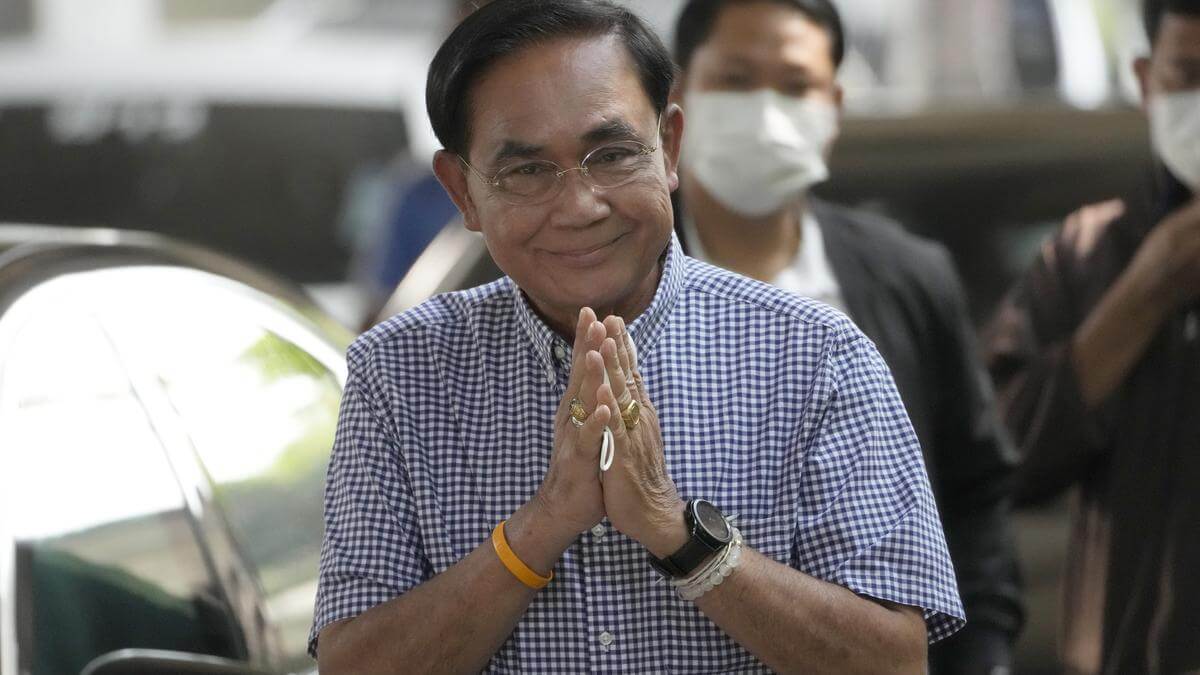
In a significant political development, the former Prime Minister of Thailand, who came to power through a military coup in 2014, has announced his decision to retire from politics after being defeated in the recent elections. This unexpected turn of events marks the end of an era characterized by political turmoil and controversy. The resignation of the long-standing leader has opened doors for a new chapter in Thailand‘s political landscape, potentially paving the way for a more democratic and inclusive future.
The announcement came as a surprise to many, as the former Prime Minister had been widely known for his strong grip on power and authoritarian style of governance. He was criticized by both domestic and international communities for suppressing political dissent, curbing press freedom, and stifling opposition voices. However, despite his controversial tenure, the former leader managed to maintain a significant support base, particularly among conservative factions.
The recent general elections proved to be a turning point in Thailand‘s political trajectory. The opposition parties, fueled by a desire for change and increased democratic participation, rallied together to form a formidable coalition. Their efforts paid off, as the coalition managed to secure a convincing victory, defeating the incumbent party and its leader.
The defeat in the elections was a clear indication that the former Prime Minister’s grip on power was waning. Facing the reality of a democratic mandate against him, he made the decision to step down from politics. In his farewell address, he acknowledged the will of the people and expressed his intention to respect the electoral outcome, emphasizing the need for a peaceful transition of power.
The political transition that now lies ahead for Thailand is expected to be a complex and delicate process. With the former Prime Minister’s departure, the country must navigate through the challenges of building a more inclusive and transparent political system. Reconciliation efforts will be crucial in healing the deep divisions that have plagued the nation for years.
International observers are closely monitoring the situation in Thailand, hoping to see the country embrace a more participatory and democratic governance model. The resignation of the former Prime Minister presents an opportunity for Thailand to rebuild its international reputation and strengthen its relationships with other nations. The focus will be on the new leadership’s commitment to upholding human rights, promoting freedom of speech, and ensuring a level playing field for all political actors.
The outcome of the recent elections has also sparked optimism among civil society groups, who have long been advocating for a more open and accountable government. They view this transition as a stepping stone towards greater political engagement and the safeguarding of fundamental rights and freedoms. However, challenges remain, as the country’s political landscape still grapples with deep-seated divisions and the influence of powerful vested interests.
As Thailand embarks on this new phase of its political journey, the international community stands ready to support and assist the country in its democratic transition. Promoting stability, inclusive governance, and respect for the rule of law will be key priorities. The focus will also be on encouraging the government to engage in meaningful dialogue with all sectors of society, fostering trust and understanding.
Additionally, the resignation of the former Prime Minister has ignited discussions about the future direction of Thai politics. With his departure, there is a renewed sense of hope among the Thai people that a new era of leadership will bring about positive change and address long-standing issues that have been overlooked.
One of the key areas of concern is the economy. Thailand has faced economic challenges in recent years, including sluggish growth and rising income inequality. Many citizens are hopeful that the new government will prioritize economic reforms that promote sustainable development, create jobs, and address the wealth gap. Boosting investor confidence and attracting foreign investments will also be essential for revitalizing the economy and diversifying industries.
Another pressing issue is the need to restore trust in democratic institutions. The former Prime Minister’s regime was marred by accusations of corruption and abuse of power. Rebuilding public trust will require transparent and accountable governance, independent judiciary, and strong anti-corruption measures. Strengthening the rule of law and ensuring equal access to justice for all citizens will be crucial steps in restoring faith in the political system.
Furthermore, Thailand’s vibrant civil society has played a significant role in advocating for human rights, social justice, and environmental protection. However, under the previous government, civil society organizations faced numerous challenges and restrictions. The new leadership will have an opportunity to foster an enabling environment for civil society, allowing them to operate freely and contribute to the democratic process. Engaging with civil society groups and respecting their role as watchdogs will be vital in ensuring a well-rounded and inclusive governance approach.
Thailand also faces the ongoing challenge of addressing regional disparities. While Bangkok and other urban centers have experienced rapid development, rural areas continue to lag behind in terms of infrastructure, education, and access to basic services. The new government must prioritize efforts to bridge this gap and ensure that development is inclusive, benefiting all regions and communities. This will require targeted policies that address the specific needs of rural areas and empower local governments to play a more active role in decision-making processes.
In the international arena, Thailand’s foreign policy and diplomatic relations will likely undergo a shift. The former Prime Minister’s administration had a complex relationship with several countries, leading to strained diplomatic ties. The new leadership will have an opportunity to rebuild and strengthen diplomatic relationships, promoting cooperation and engagement with the international community. This will be essential for enhancing trade partnerships, attracting foreign investments, and addressing global challenges such as climate change and regional security.
In conclusion, the resignation of the former Prime Minister of Thailand, who had seized power through a coup in 2014, signifies a significant turning point in the nation’s political landscape. The defeat in the recent elections paved the way for a peaceful transition of power, highlighting the resilience of democracy in Thailand. The focus now shifts to the challenges and opportunities that lie ahead, as the country endeavors to rebuild its democratic institutions and heal societal divisions. The international community remains hopeful that Thailand will seize this moment to create a more inclusive and participatory political system, fostering stability and upholding fundamental rights for all its citizens.
Image from: Thehindu